Unlock the Power of Methylene Blue


Your brain is dying ten years ahead of schedule,” the doctor said. I was 38. I couldn’t remember my own kid’s teacher’s name anymore. He pushed a tiny dark-blue vial toward me: Methylene Blue 

This 1876 dye — the world’s first synthetic drug (Ehrlich used it to cure malaria and win a Nobel) — crosses into mitochondria, restores energy, clears tau tangles, and becomes the strongest reversible antioxidant known. Trials show sharper memory, better mood, and reversed brain hypometabolism in weeks.

Three weeks later I was the dad chasing kids at the birthday party instead of hiding on the couch with a migraine. My daughter looked up and said, “Daddy, you’re back.” That sentence is my forever “why.”  

Don’t wait. Pharmaceutical-grade methylene blue is here NOW. Start 10–50 mg USP tonight (with vitamin C). Find a real doctor. Take it. Forgetting your kids—or them forgetting you—ends today.
Methylene Blue: An Overview
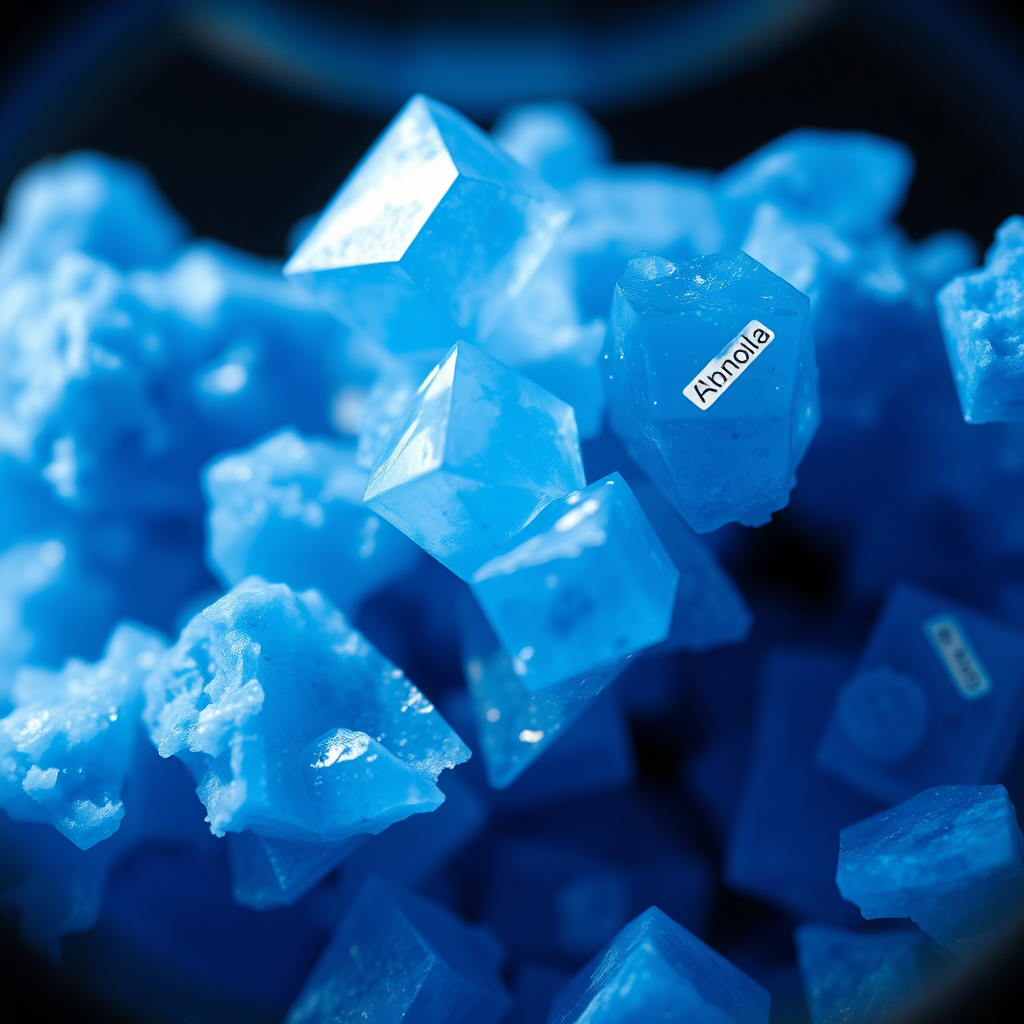
A photorealistic macro shot of Methylene Blue crystals under a microscope. The image should showcase the intricate structure of the crystals with a vibrant blue hue. The lighting should be focused and precise, highlighting the crystalline forms. The color palette should be dominated by shades of blue, ranging from deep indigo to lighter sky blue, against a dark background. The camera angle should be directly above the crystals, capturing the full detail of their structure. Texture details should include the sharp edges and smooth surfaces of the crystals. The environment should evoke a laboratory setting, emphasizing the scientific nature of the substance. Style reference: Scientific photography with a touch of artistic flair. Technical specs: High resolution, macro lens.

What is Methylene Blue?

Methylene Blue is a synthetic dye with diverse applications. Learn about its history, chemical properties, and unique characteristics.
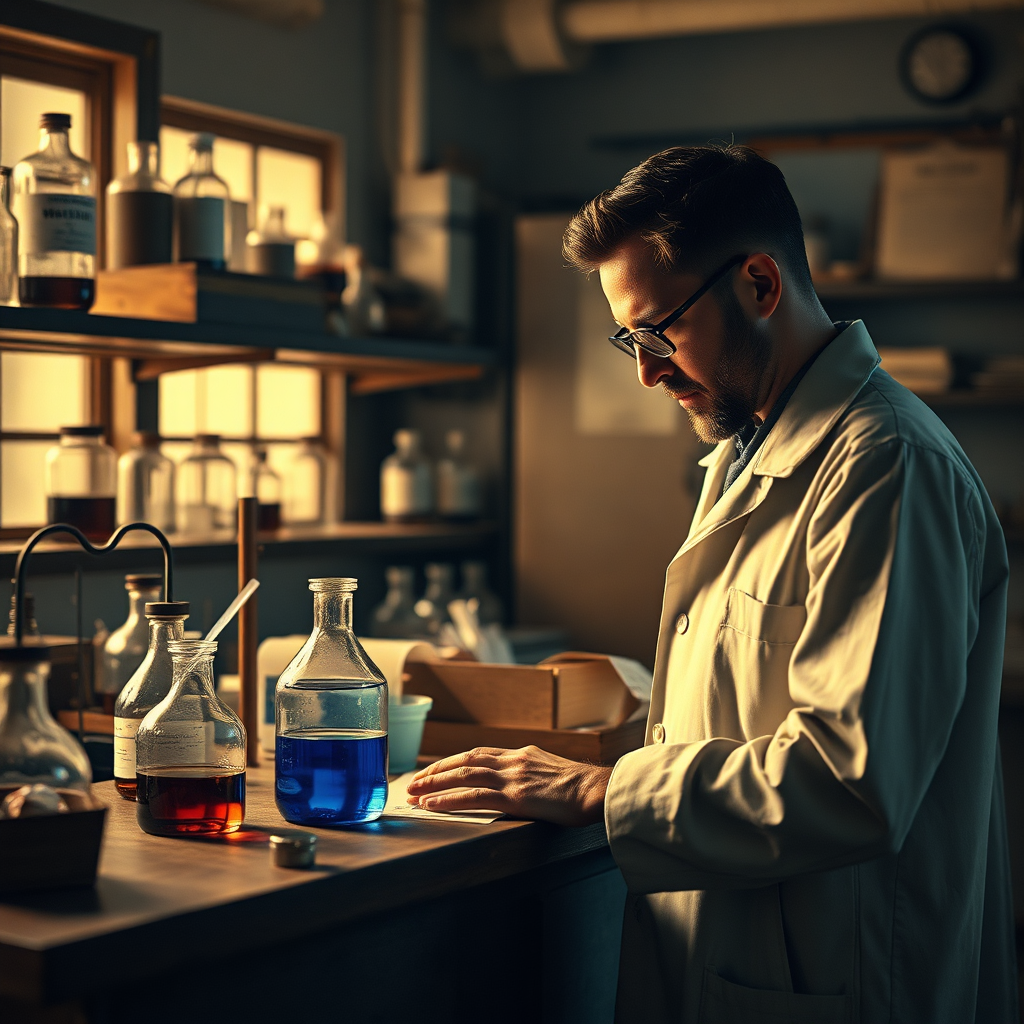
A historical photograph styled to resemble a vintage medical journal. The scene should depict a scientist in a period laboratory using Methylene Blue in an experiment. Soft, warm lighting should give the image an antique feel. The color palette should be sepia tones and muted blues. The camera angle should be a medium shot, capturing the scientist and their workspace. Texture details should include aged paper and lab equipment. Style reference: Vintage medical illustration. Technical specs: High resolution, vintage filter.

Historical Significance

Methylene Blue: 1876 textile dye → first synthetic drug (Ehrlich cured malaria, Nobel 1908) → surgical stain, cyanide antidote, urinary antiseptic, brain-mapping tool, and now a breakthrough mitochondrial/neuroprotective agent. One blue molecule, 150 years of revolution.
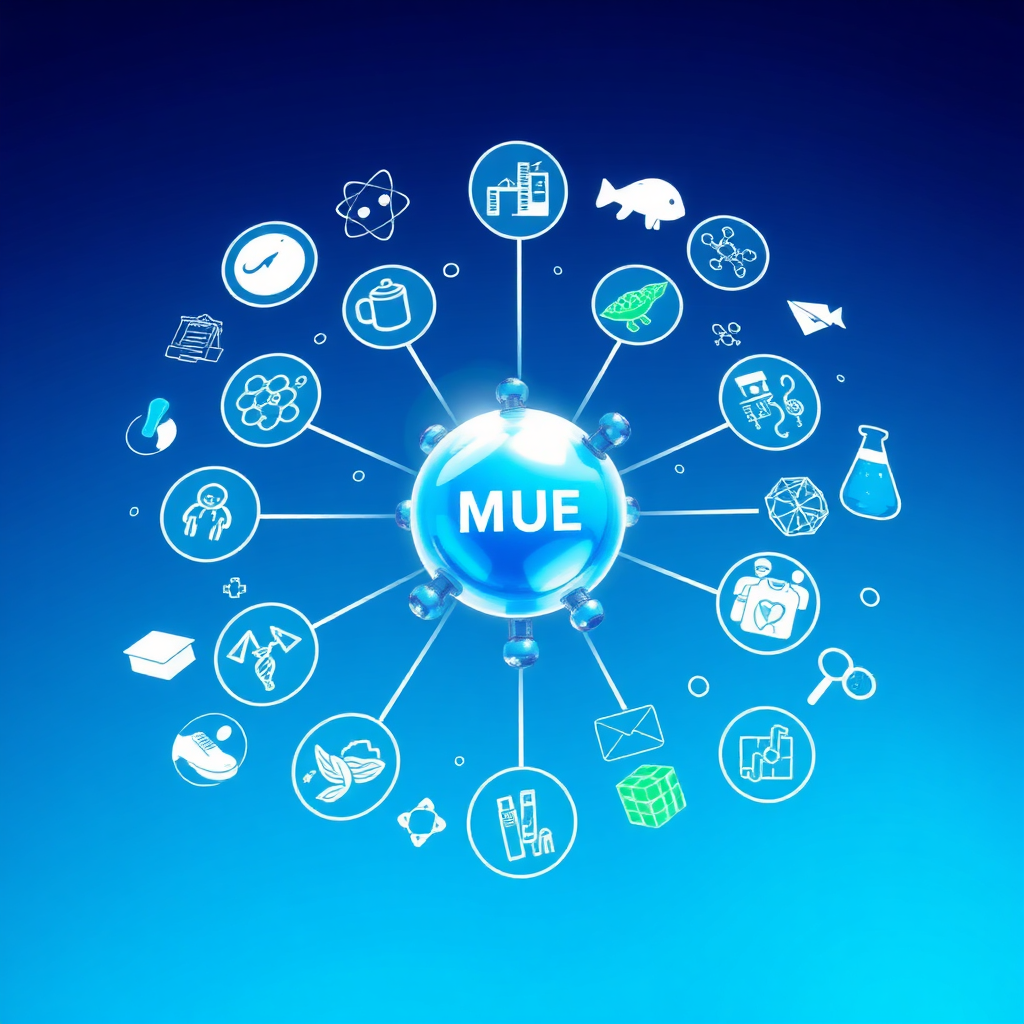
A modern digital illustration showcasing the diverse applications of Methylene Blue. The composition should feature a central molecule of Methylene Blue surrounded by icons representing different industries and applications (e.g., medicine, aquaculture, textiles). Bright, vibrant lighting should create a sense of innovation and progress. The color palette should be dominated by blues, greens, and whites, symbolizing science, health, and cleanliness. The camera angle should be a slightly elevated perspective, showcasing the breadth of applications. Texture details should be clean and modern, reflecting the contemporary relevance of Methylene Blue. Style reference: Modern infographic. Technical specs: High resolution, clean vector graphics.

Modern Applications

Methylene Blue 2025: lifesaving antidote, brain-fog fixer, cancer tracer, fish-egg savior, biosensor core. One 150-year-old molecule, still expanding.

Exploring the Uses of Methylene Blue
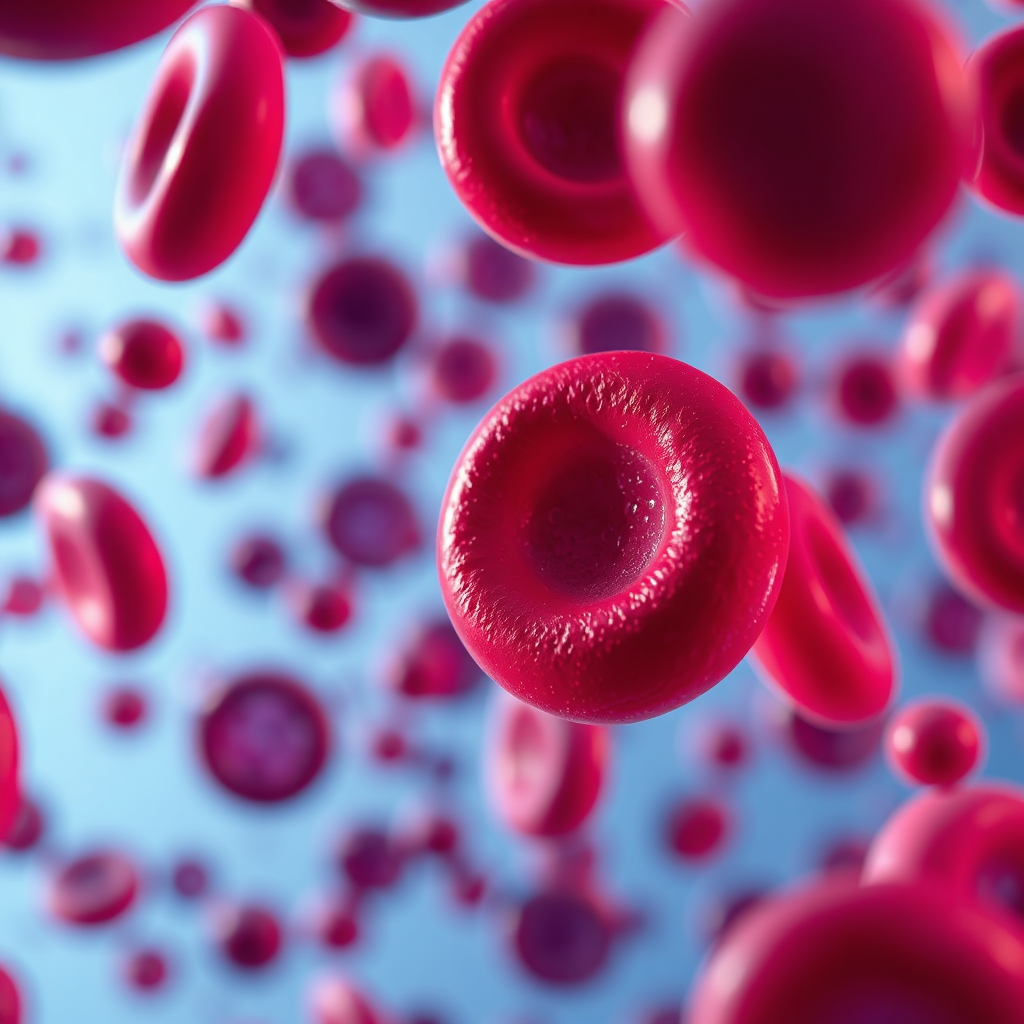
A photorealistic image depicting a microscopic view of red blood cells being treated with Methylene Blue. The blood cells should be clearly visible, with some showing the effects of methemoglobinemia and others showing the restoration process. Soft, diffused lighting should illuminate the cells, highlighting their structure and the effects of the treatment. The color palette should be primarily red and blue, with subtle variations in hue to distinguish between healthy and affected cells. The camera angle should be a close-up, capturing the details of the cellular processes. Texture details should include the smooth surfaces of the cells and the subtle variations in color. The environment should evoke a laboratory setting, emphasizing the scientific nature of the image. Style reference: Scientific microscopy. Technical specs: High resolution, microscopic lens.

In Medicine

Methylene blue: IV lifesaver for methemoglobinemia in minutes; low-dose brain-saver dissolving Alzheimer’s tangles and rescuing mitochondria today. One molecule, two eras of medicine.
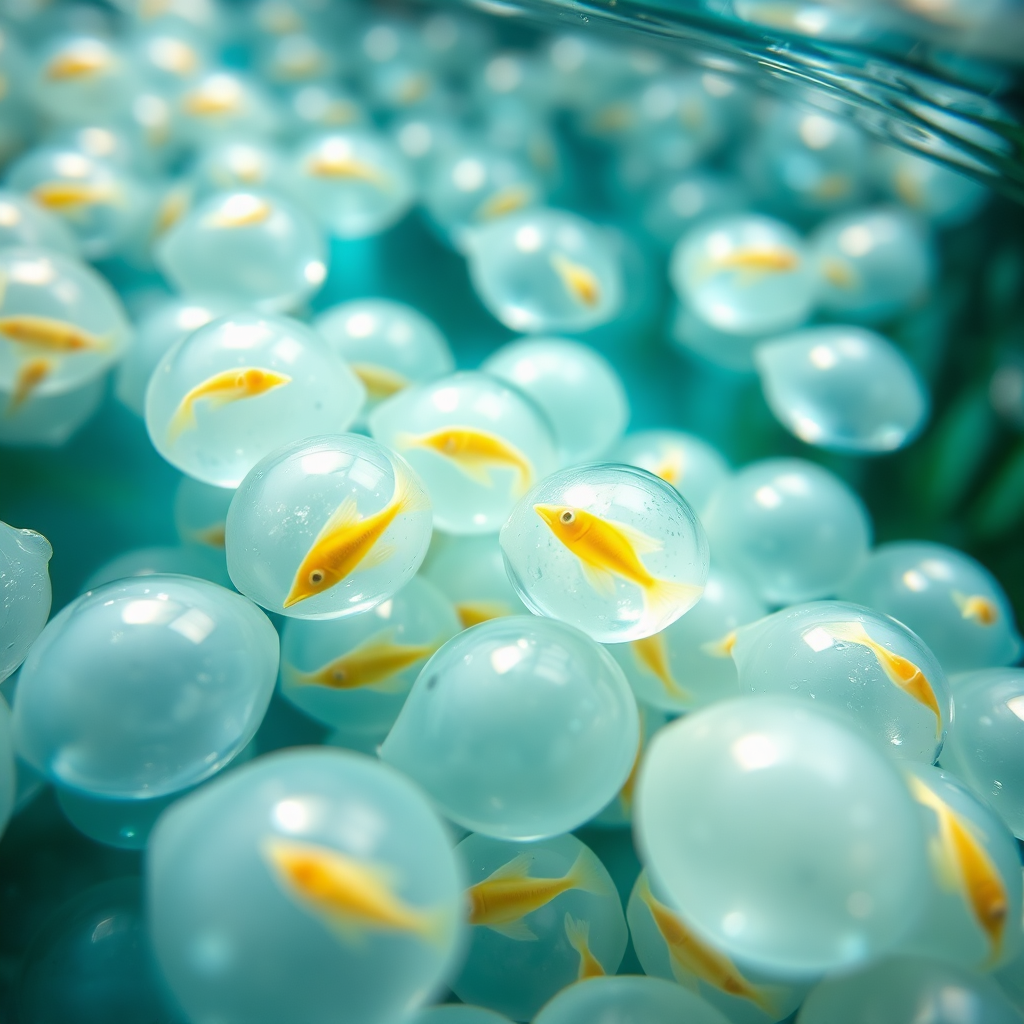
A photorealistic image of fish eggs in an aquaculture tank, treated with Methylene Blue. The eggs should be translucent, allowing a glimpse of the developing fish inside. The water should have a subtle blue tint, indicating the presence of Methylene Blue. Soft, natural lighting should create a sense of tranquility and health. The color palette should be primarily blue and green, with hints of yellow and orange from the fish eggs. The camera angle should be a slightly elevated perspective, capturing the entire tank and the surrounding environment. Texture details should include the smooth surfaces of the eggs and the clear water. The environment should evoke a modern aquaculture facility, emphasizing the sustainable practices of fish farming. Style reference: Aquaculture photography. Technical specs: High resolution, underwater lens.

In Aquaculture

Methylene blue kills water mold (Saprolegnia) on fish eggs and boosts oxygen, raising hatch rates from ~50% to 90%+ in farms and aquariums. It also wipes out ich and other parasites while remaining safe and biodegradable at low doses.
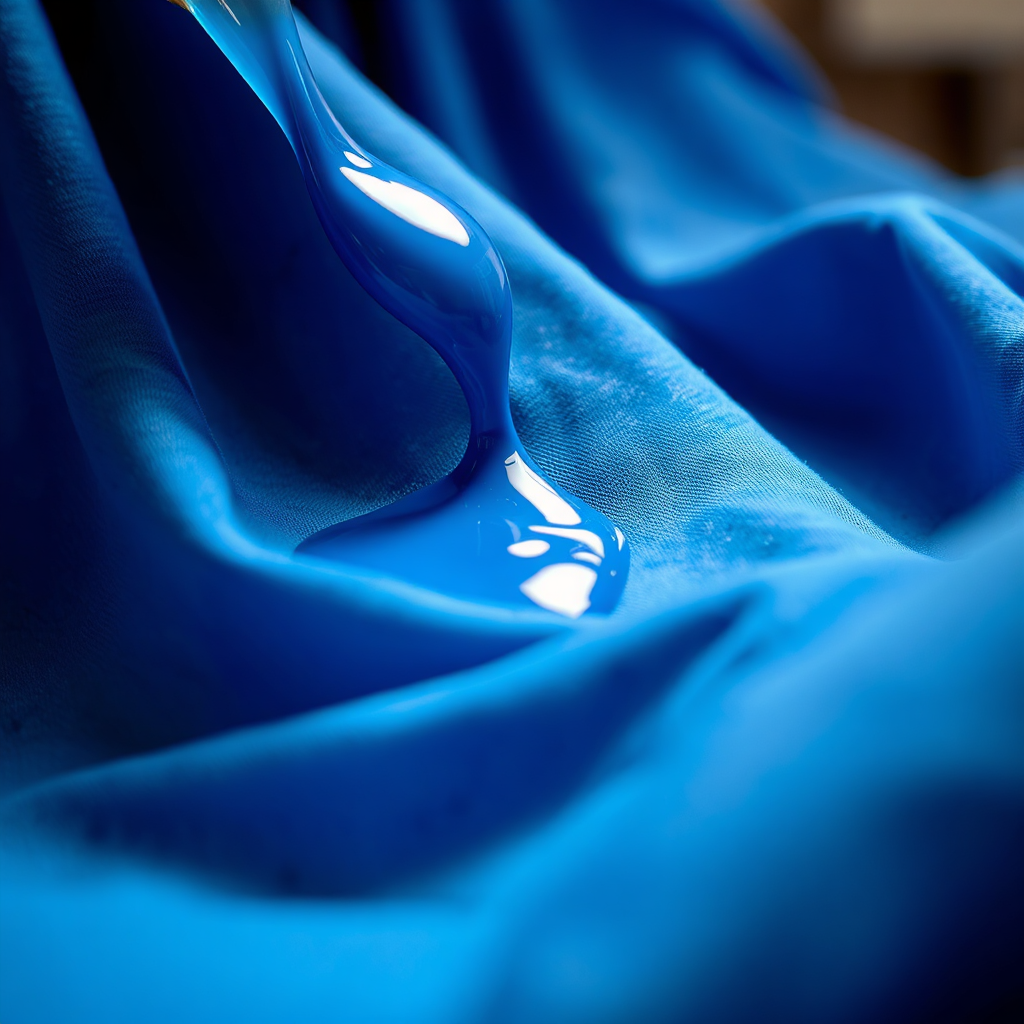
A close-up, photorealistic image of fabric being dyed with Methylene Blue. The dye should be shown being applied to the fabric, with the color gradually spreading and saturating the fibers. Bright, focused lighting should highlight the details of the fabric and the dyeing process. The color palette should be primarily blue, with variations in shade and tone to showcase the range of colors achievable with Methylene Blue. The camera angle should be a close-up, capturing the texture and detail of the fabric. Texture details should include the individual fibers of the fabric and the smooth surface of the dye. The environment should evoke a textile workshop, emphasizing the craftsmanship and artistry of fabric dyeing. Style reference: Textile photography. Technical specs: High resolution, macro lens.

In Textiles

Synthesized in 1876, methylene blue was the first fully synthetic textile dye, directly coloring cotton a brilliant, light-fast royal blue without mordants. Today it lives on in artisanal denim, antimicrobial medical fabrics, and eco-fashion for its intense, biodegradable electric hue.

Methylene Blue: Benefits and Research

A stylized image of a brain with glowing neural pathways enhanced with a vibrant blue light, representing Methylene Blue's potential to boost cognitive function. The brain should be depicted in a clean, modern style. Soft, diffused lighting should highlight the neural pathways. The color palette should consist of blues, purples, and whites, symbolizing intelligence and innovation. The camera angle should be a close-up, emphasizing the intricate network of neurons. The texture should be smooth and futuristic, evoking a sense of scientific advancement. Style reference: Modern digital art with a hint of science fiction. Technical specs: High resolution, digital rendering.

Cognitive Enhancement

Low-dose methylene blue rescues mitochondria, blocks tau tangles, and reliably boosts memory in animals; 2023–2025 human trials show slower Alzheimer’s decline and strong early-stage benefits, making it a top affordable brain protector today.

A microscopic image of bacteria being neutralized by Methylene Blue. The bacteria should be clearly visible, with some showing the effects of the treatment. Bright, focused lighting should illuminate the microbes. The color palette should be primarily blue and green, with subtle variations in hue to distinguish between healthy and affected bacteria. The camera angle should be a close-up, capturing the details of the cellular processes. Texture details should include the smooth surfaces of the bacteria and the surrounding environment. The environment should evoke a laboratory setting, emphasizing the scientific nature of the image. Style reference: Scientific microscopy. Technical specs: High resolution, microscopic lens.

Antimicrobial Properties

Methylene blue directly kills microbes and, when light-activated, obliterates even superbugs and biofilms with almost no resistance. 2023–2025 data prove it a cheap, powerful antimicrobial for infections, wounds, and beyond.
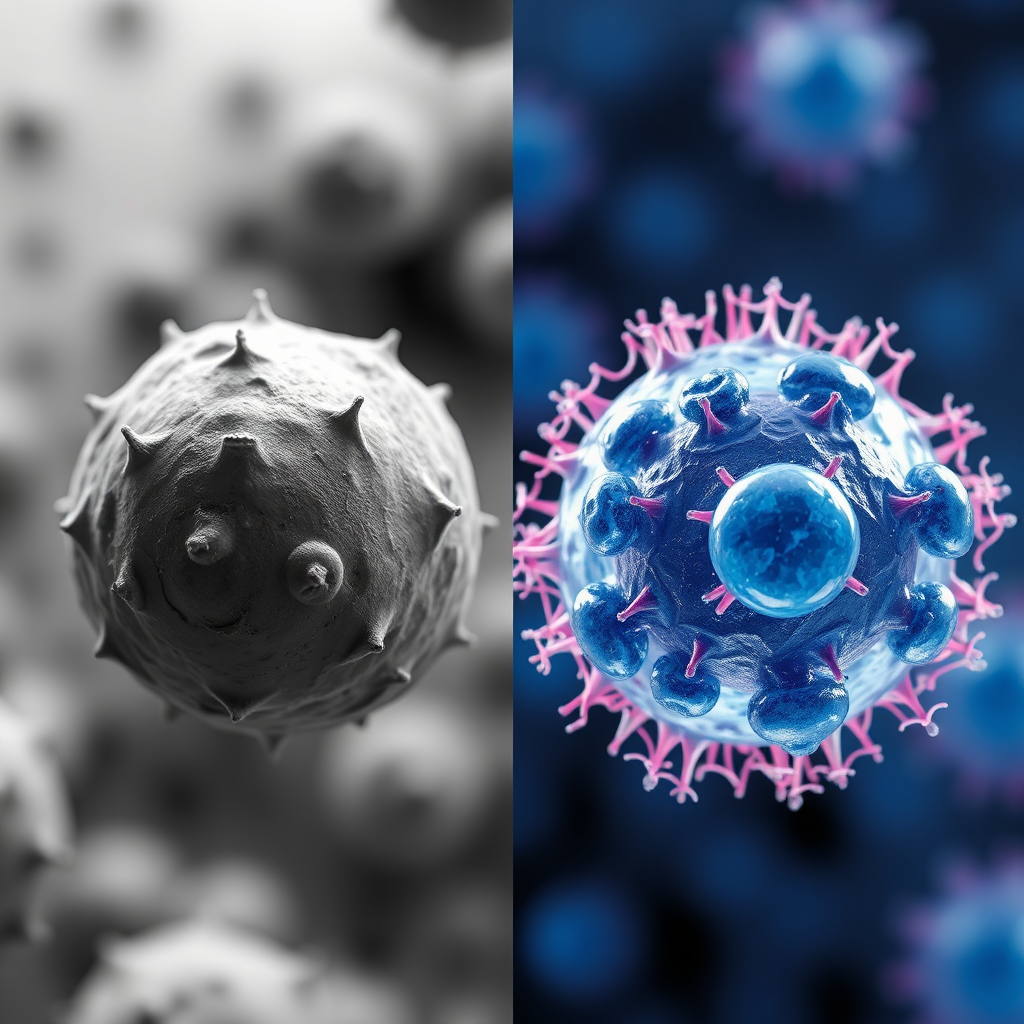
A split-screen image showing cells exposed to oxidative stress on one side, and cells protected by Methylene Blue on the other. The damaged cells should appear dull and lifeless, while the protected cells should appear vibrant and healthy. Soft, balanced lighting should highlight the differences between the two sides. The color palette should consist of contrasting colors, such as dull grays and vibrant blues, to emphasize the protective effects of Methylene Blue. The camera angle should be a close-up, capturing the details of the cellular structures. Texture details should include the smooth surfaces of the cells and the variations in color and tone. The environment should evoke a laboratory setting, emphasizing the scientific nature of the image. Style reference: Scientific illustration. Technical specs: High resolution, digital rendering.

Potential Anti-Aging Effects

Methylene blue rescues mitochondria, kills excess ROS, and activates anti-aging pathways. 2023–2025 data prove it reverses skin aging, extends cell lifespan, and accelerates healing—making it a top safe anti-aging compound today.

Methylene Blue 

 It JUST works! The focus and clarity in the mind is next level.

- Jeremy  

It's truly a miracle, 4 hours of sleep feels like 10. Gives me almost supernatural focus I don't know how else to explain it. Do yourself a favor give it 30 days 

- John

This Methylene Blue is just phenomenal! As a Marine Veteran diagnosed with PTSD. I’m just amazed as what Methylene Blue has done for my brain cognitive function and motivation to face the day! Simply amazing!! Thanks, Alex Jones and Team!!!

- Johnathan 

Words from Health Experts

Small study (26 people): low-dose methylene blue (0.5–4 mg/kg) improved short-term memory. Animal studies suggest it may slow Alzheimer’s-like brain damage via mitochondria. Some experts recommend the same dose for focus/mood — but only under medical supervision.  

Raphael Wald, Psy.D.   

MAO inhibition increases neurotransmitters; small studies link low-dose MB to reduced anxiety/depression. Hughes reported zero seizures after starting it, crediting 100+ years of evidence. 

Dr. Emily Rodriguez, Clinical Nutritionist

Used in photodynamic therapy to stain and help destroy cancer cells (e.g., lung and breast). Acts as a strong antimicrobial by creating reactive oxygen species (ROS) that kill germs.  

NCBI StatPearls (Evangelos Bistas, MD & Devang K. Sanghavi, MD)